Pages

Sunday, September 4, 2011


Papaya – For Health


The papaya or paw paw is native to tropical America, but it is now grown in most tropical and sub-tropical regions of the world. The large pear shaped fruits grow up to 8 inches in length approximately. Some varieties remain green when ripe, but most turn deep yellow and orange. Papayas have deep salmon pink flesh, with an abundance of grey-black seeds in the central cavity, which are edible. The soft, juicy sweet flesh tastes like a cross between melons and peaches.

The Goodness of Papaya
Papayas are rich in Vitamin A and Calcium and contain large quantities of the enzyme papain, which breaks down protein and can be used to tenderize meat. Papain also makes this fruit very easy to digest.

How to Buy
Choose uniformly yellow fruit. Sniff them, the scent should be delicate. Do not buy papayas with damaged or shriveled skins since they bruise easily. If the fruit is not ripe, check the skin around the stem end, it should be yellow, otherwise the papaya will never ripen. Ripe papayas should be eaten immediately. Fruit that is not quite ripe should be left at room temperature until soft and yellow.

How to Cook
Simply cut the papayas in half lengthwise and scoop out the seeds from the cavity. You can eat the seeds (they have a peppery flavor), but they are not particularly pleasant. Squeeze a little lime or lemon juice on the flesh before serving. Papayas can be used in the same way as melons, served solo with a squeeze of lime or sprinkled with ground ginger and served with meat. The cubed flesh can be added to fruit salads, made into ice-creams and fruit drinks or served with yogurt. Finely chopped papaya is perfect with chilies in fresh salsa. The skin can be used to tenderize cheaper cuts of meat. The papain however, prevents gelatine from setting, so do not attempt to make a fresh fruit jelly, cold soufflé or mousse with papaya. Papayas which are not fully ripe can be used in salads, while fruit that is still hard is ideal for relishes and jams.

Medicinal Benefits
1. Consumption of ripe fruit is good for the treatment of ringworms, green fruit treats high blood pressure and is used as an aphrodisiac.
2. The fruit can be directly applied topically to skin sores.
3. The seeds are anti-inflammatory and analgesic and they are used to treat stomach ache and fungal infections.
4. The leaves are used as heart tonic, analgesic and for the treatment of stomach ache.
5. The roots are used as analgesic.

Source: Free Articles

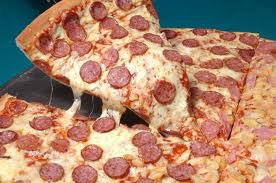
Italian vs american pizza


It's fairly well established that the first pizza as we know it today was created by a man named Esposito from Naples, Italy. Esposito's creation was designed to honor the visit of Queen Margherita to Naples in 1889, and he decorated it with the colors of the Italian flag. The most traditional pie is the pizza Napolitano, or Neapolitan pizza. Common varieties of Neapolitan pizza include marinara, made with tomato, olive oil, oregano, and garlic, and margherita, made with tomato, olive oil, fresh basil leaves, and mozzarella cheese.

Italian immigrants brought this recipe with them to America. The first pizzeria was opened in America in 1905. It remained popular almost exclusively among immigrants until the end of World War II, when American soldiers returned to their home soil and brought back a love of the pizza they had discovered overseas. With that, the pizza boom in America began.

New York was home to the first pizza parlor in the United States, opened in Little Italy in 1905 by Lombardi. Chicago is also home to a major variety of pizza. The Chicago-style pizza is deep dish, meaning it is made in a pan with the crust formed up the sides, or even with two crusts and sauce between, a so-called "stuffed". The Midwest also plays host to the St. Louis style pizza. This thin-crust delicacy is made using local cheese instead of mozzarella, and is very crispy. Heavily seasoned with oregano and other spices, with a slightly sweet sauce, it is difficult to fold because of the crust and is often cut into squares, instead of served in slices. A Hawaiian pizza is an American invention that has nothing to do with Hawaii save that one of the main ingredients is pineapple. The pineapple is put atop the pizza, along with bacon, giving a rather sweet taste very different from pizzas closer to the Italian original. A number of esoteric pizzas are common on the West coast, and "gourmet" pizza is often referred to as "California-style" pizza. This is an example of fusion cuisine. Ingredients of Californian pizza:

Dough

1 cup lukewarm water (110 degrees) 2 packages yeast 3 1/2 cups unbleached flour 1 teaspoon salt 1 teaspoon sugar 2 tablespoons olive oil, divided 2 tablespoons cornmeal Pesto 1 cup olive oil 2 cups fresh basil leaves 2 cloves garlic, chopped 3 tablespoons pine nuts 1/2 cup freshly grated Parmesan cheese Topping 1 onion, thinly sliced 1 sweet red pepper, seeded and sliced into strips 1 green peppers, seeded and sliced into strips 1 tablespoon olive oil 1 tablespoon water 1/2 pound garlic and fennel sausage or sweet Italian sausage 3 ounces goat cheese 10 ounces Mozzarella cheese, coarsely grated 2 tablespoons freshly grated Parmesan cheese.

Preparation: Mix flour, salt, and sugar in a bowl. Make a "well" in the center, pour in yeast solution and 1 tablespoon olive oil. Blend in the flour using a fork, working towards the outside of the well. As dough becomes stiff, incorporate remaining flour by hand. Gather into a ball and knead eight to ten minutes on a floured board. Place in an oil-coated bowl, cover with a damp cloth, and let rise in a warm, draft-free place until doubled in size, approximately two hours.

Prepare pesto sauce using a blender or food processor. Combine all ingredients except cheese. Process but do not create a puree. Stir in cheese.

Prepare toppings: Saute onions and peppers in olive oil and water in a large skillet over medium heat. Stir frequently until peppers are soft. Drain and set aside. Brown sausage, breaking into pieces as it cooks. Drain off excess fat. Chop coarsely.

Preheat oven to 425 degrees. Spread remaining tablespoon of olive oil evenly over a 12 inch pizza pan. Sprinkle with cornmeal. Punch down pizza dough, flatten lightly with a rolling pin, turn and flatten with fingers. Place dough in pan and spread to edges with fingertips. Bake five minutes. Spread pesto sauce over dough. Crumble goat cheese evenly over pesto. Add onions and peppers, sausage, and cheeses. Bake 10 minutes or until crust is slightly brown and cheese is bubbly.

source : www.freearticles.com


Recipe
Basic Pizza Dough II

Basic Pizza Dough Ingredients:

High protein flour, 300 grams
Instant yeast, 7 g
Warm water, 150 ml
Olive oil, 35 ml
Salt, 5 grams

How to make Basic Pizza Dough II:

Mix the flour and instant yeast.
Make a hole in the middle, pour the warm water gradually, stirring until blended.
Add the salt, stirring until blended.
Add the olive oil, knead until dull.
Allow the dough for about 20 minutes, the dough is ready for use.

source : www.freearticles.com